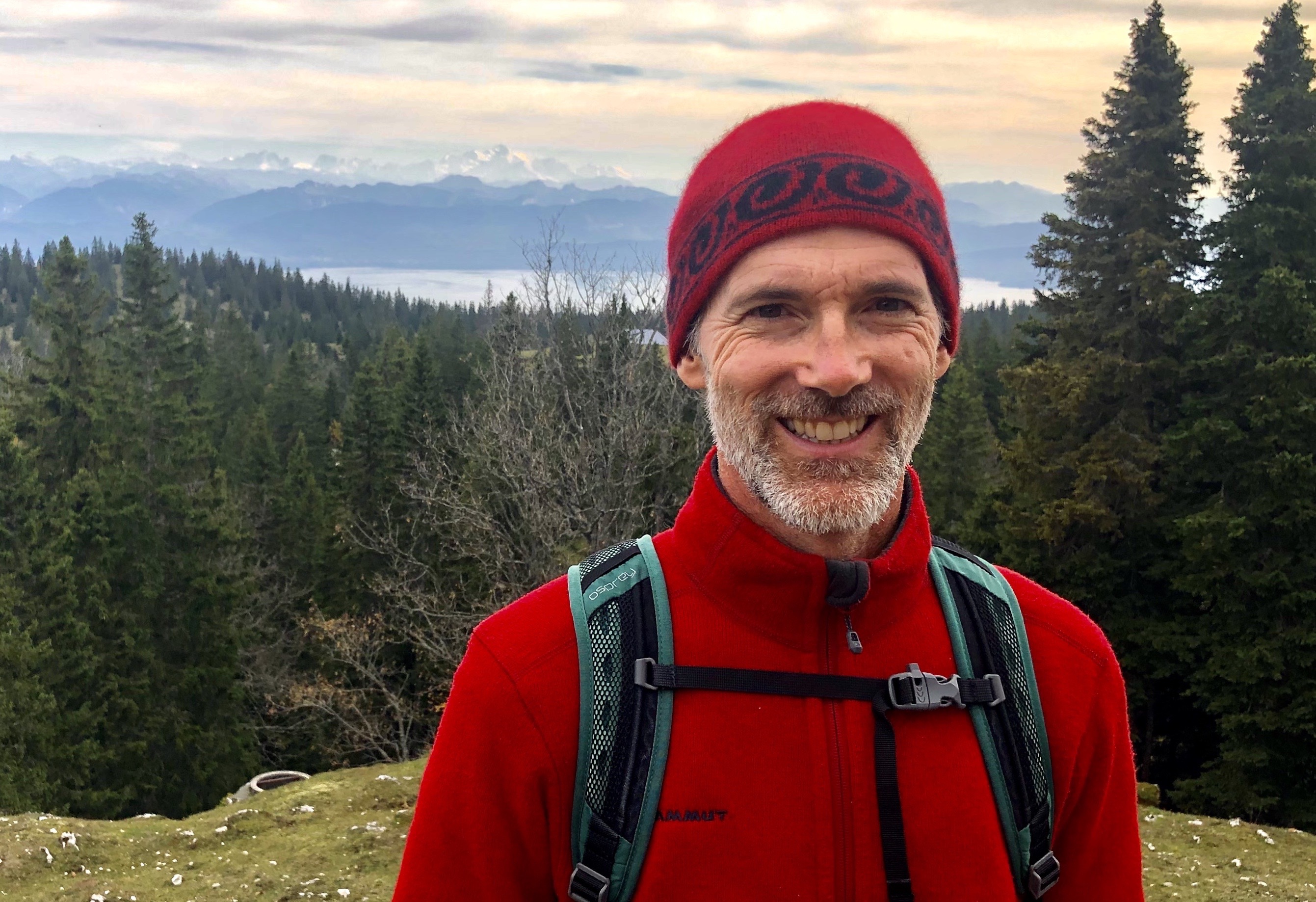
What are those magic moments that make farmers practising alternative agricultures feel that they are doing the right thing? Perhaps it isn’t the headline ideological commitments, but instead little glimpses during the humdrum of daily life. Andrea Mathez unravels these ideas, mixing ethnographic work in Morocco and Switzerland, philosophical considerations of hope, utopia, and enchantment, and embodied participatory engagements with goats, weeds, water and between farmers from the two places.
The thesis investigates the ‘what’, ‘how’, and especially ‘why’ of alternative agriculture. Troubled by modern, industrial farming, Andrea takes the reader on a creative, innovative empirical and epistemological journey to understand, feel, and cultivate different alternatives (via practices, hopes, relations) in the gaps and contradictions of the dominant system. The thesis makes several notable contributions:
- Empirically, based on rich, engaged fieldwork relations with numerous farms and farmers in Switzerland and Morocco, the thesis shows convincingly (through narratives, quotes, images, and accompanying analyses) how the embodied and emotional relations of farmers with their land, plants, animals, and each other create the need and space for acts of alternativity.
- Analytically, it places these concepts into the dominant systems of industrial, capitalistic, sometimes greening modern agricultural policies and practices, not only documenting these systems but also finding the interstices where alternatives appear.
- Conceptually, the thesis completely reframes how we think of alternative agriculture: not this package or that package of practices or ideologies that are frequently touted; not these people or those people who declare themselves alternative. But instead, as a diverse, grounded, generative process, within constraints, performed by farmers-as-real-embodied-and-social people, far from the economic rational actor but also from ecologically-rational actor of green idealism.
- Epistemologically, the thesis is innovative in the consistency between its argument and in its demonstration of how this knowledge was created, foregrounding multiple reflections on how – and why – knowledge is produced, including through a collective transformative research event, the visit that Andrea orchestrated (and received prize funding) for her Moroccan key informants to spend a week with their Swiss counterparts.
- Writing-wise, the thesis is not just clear, well-written, perfectly finished, and well-illustrated with photos and great maps. It is also innovative in its use of farmer vignettes and especially short pieces of ethnographic fiction addressing the sensory encounters behind the moments described in the research. It is also playful, with a beetle pest appearing on the page a few times.
- And finally, the thesis demonstrates that moving beyond North-South binaries is completely natural and productive. The divide is very real (Andrea cites farm exports and visa challenges) and yet not necessary to answer the question.
Andrea also channelled her creative, performative and epistemological energies into multiple outputs (if that is the right word) in parallel to the thesis, for instance initiating, leading, and being invited to repeat workshops on the body and embodiment in the research process. A partial list of those outputs below.
On September 4, 2026, Andrea defended her thesis publicly, brilliantly, and with celebration. Congratulations Andrea! You never cease to inspire; your shoes will be hard to fill.


References
- Thesis – available on IRIS
- Mathez, A (2024) Glimpses of embodied utopias, why Moroccan and Swiss farmers engage in alternative agricultures. Agriculture and Human Values 42 (1):227–240. dx.doi.org/10.1007/s10460-024-10598-9
- Mathez, A (2025) Thirsty Landscapes: Morocco’s Green Agricultural Policies and the Struggle for Water at its Margins. In Agricultural Extractivism in the Mediterranean Region: A Socioecological View, edited by Narotzky, S, N Buier & T Vetta. Cham: Springer Nature Switzerland, 27–52.
- Mathez, A, L Landrin, L Chakroun & S Guerraoui (2025) Le corps dans la recherche : vers une heuristique et un prendre-soin. Carnets de géographes 19. dx.doi.org/10.4000/15d31.
- Mathez, A & A Loftus (2022) Endless modernisation: Power and knowledge in the Green Morocco Plan. Environment and Planning E: Nature and Space 6 (1):87–112.
- Mathez, A & M Vandaele (2026) Les installations hors cadre familial en Suisse : expérimentations agroécologiques révélatrices des contradictions d’« une agriculture industrielle écologisée ». VertigO 25 (3):1–22.
- Mathez, A (2026) Goûter, toucher, résister—Rencontre sensorielle avec des agricultures alternatives. GeoAgenda. (1) 25–28.
- Mathez, A (2025) De la Suisse au Maroc et retour: Carnets d’une chercheuse en quête décoloniale. Almanach (5), 46–51.
- Video: Agroécologie paysanne: rencontre Maroc-Suisse – semaine de recherche-action participative.