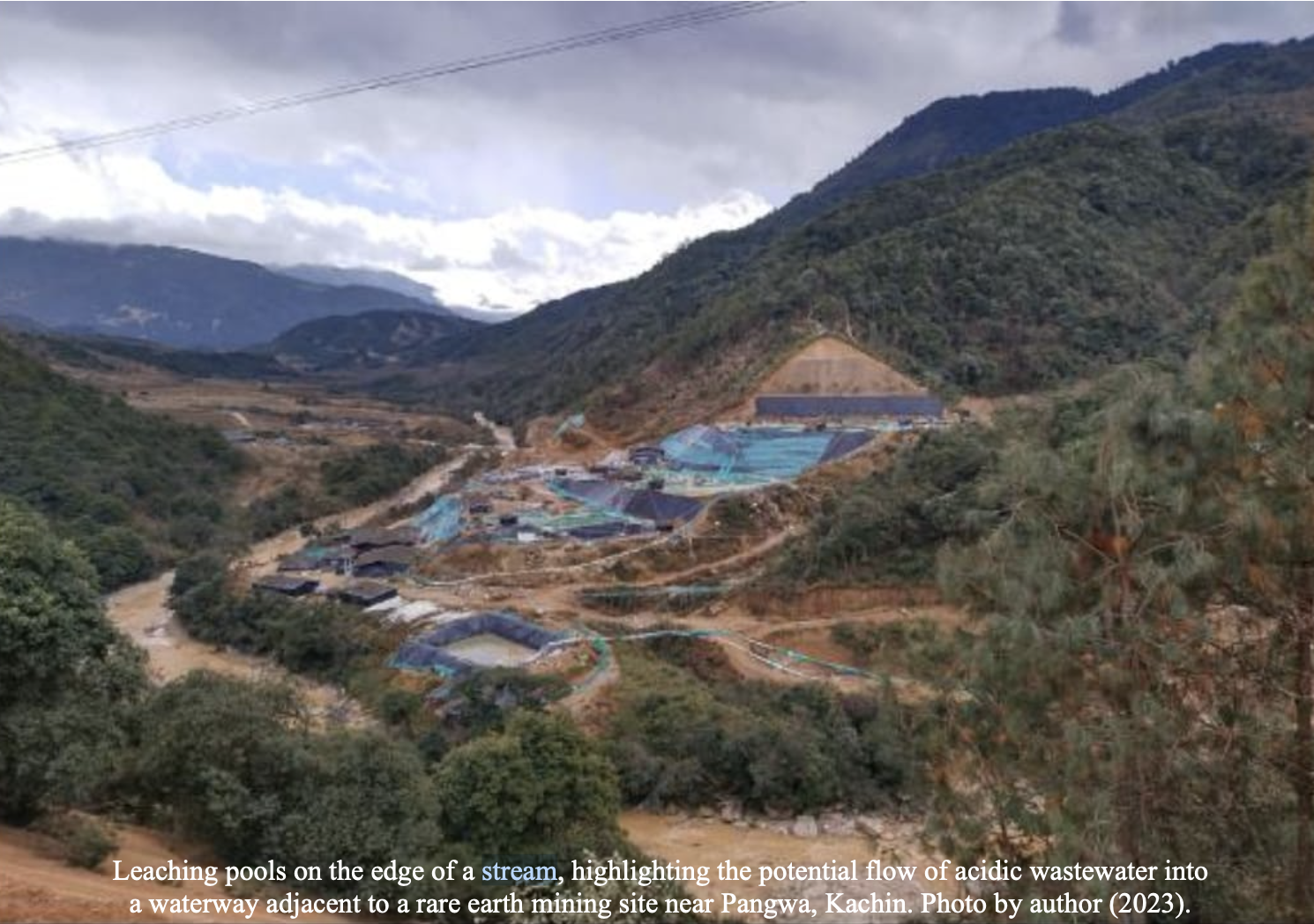
Sidney Mintz* once wrote how the links between a spoon of sugar in the tea of an English worker, a plantation in the Caribbean, and the rise of colonialism and capitalism were like yet another chorus of the children’s song ‘dem bones’: the leg bone’s connected to the knee bone, the knee bone’s connected to the thigh bone, the thigh bone’s connected to the hip bone… Such links have only multiplied and thickened with time. Today’s global transition to a clean-energy economy (think electric cars and wind turbine generators) requires high-performance permanent magnets. These components need “rare earths”, minerals like dysprosium and terbium. The knee bone shakes all the way down to the ankle bone, the foot bone, and the toe bone…. and from a electric car on my street we go all the way to landscapes ravaged by rare earth mining in a country torn by civil war – Kachin state, Myanmar, right on the border with China.
Thi Thi Han’s thesis explores the dark side of clean energy. She asks why rare earths are framed as “critical minerals” (which we need to access at all costs) as opposed to being framed as “conflict minerals” (whose exploitation is intimately linked to violent resource frontiers, which need to be regulated)? She does this with gutsy, engaged, and reflexive fieldwork in the border areas of Kachin state, and just yesterday defended it in a public defence here at the University of Lausanne. Congratulations to Thi Thi!
Ornamental ravintsara trees (front left) in Isoraka, Antananarivo, Madagascar (also: jacaranda, aurucaria…). photo: CK 2022.
You know how sometimes a word or thing appears at the margins of your conscience, associated with some value (good, bad, …), but where you really know nothing about it? For me, this describes ravintsara. Long interested in the Malagasy environment, it is perhaps natural that a tree with a name like that would catch my attention (even a beginner in Malagasy will get that it means “good leaf”). While doing research on fire, agrarian change, and highland reforestation, ravintsara crossed my path plenty in the late 1990s and 2000s, but it was never centre stage. I first encountered it knowingly in 2014, when friends showed me some they had planted a few to ornament their land outside Antananarivo, and they were proud to have something native and not pine or eucalyptus. But strangely, its name was already there in a list of 1000s of plants in an inventory of introduced species in Madagascar that colleagues and I put together. And then since moving to Europe I started noticing ravintsara in the essential oils section of French pharmacies.
Chanelle Adam’s PhD, just defended, shows there is history and reason behind my encounters and confusions. It turns out that the botanical and chemical identity of the tree has only been established for three decades or so. Ravintsara was indeed introduced to Madagascar, probably in the 19th century (it is better known elsewhere as the camphor laurel, Camphora officinarum, source of camphor oil). And yet… the variety growing in Madagascar turns out to be a chemotype specific to Madagascar called 1,8-cineole, which is low in camphor oil and high in cineole (also found in eucalypts, rosemary, and bay leaves). To confuse matters further, the endemic tree Cryptocarya agathophylla (also used for essential oils) was previously called ravensara (though not by locals) and confusion between two persists. As environmental programs proliferated on the island in the 1990s and 2000s, the search was on for local trees to reforest the island, and ravensara/ravintsara was a prime candidate (hence my encounter on my friends’ plot in the peripheries of Tana). And with development programs entering the 2000s looking for “win-win” solutions for both environment and livelihoods, essential oil distillation was widely promoted – especially as local distillers and scientists (perhaps benefitting from long-term French investments and know-how in the fragrance, oil, and pharmaceutical arena) had set the groundwork in previous decades, themselves building on and branching from colonial era industries (ylang-ylang, cloves, vanilla…). Hence the little ravintsara bottles in French pharmacies. This all leads up to the opening scene of Chanelle’s thesis, the time when during the height of the Covid 19 crisis the just-deposed President of Madagascar himself claimed to have a cure for the coronavirus – a concoction based in part on ravintsara. And that’s a story that Chanelle tells much better than me!
Stopping and reversing deforestation is a foremost priority in much of the tropics. Numerous policies and programs try to stem forest clearance, encourage tree planting, and restore forest landscapes. The hope is to promote “forest transitions” similar to the historical turnaround in forest cover trajectories in wealthy temperate countries. Such efforts have become all the more urgent given the climate and biodiversity crises. Yet it is often assumed that more forests is better and more sustainable, without careful consideration of how and where it happens, who wins and who loses, and what kinds of forests. In a recent open access paper, we identify nine pitfalls to such assumptions. Hopefully this inspires researchers, policymakers, and leaders to promote more diverse transitions to sustainable forest use and management.
The nine pitfalls and their implications for research and policy. (Figure 2 from our paper in the journal Environmental Conservation). With photos of forest landscapes across Southeast Asia: (a) plantations of rubber and acacia spreading in central Vietnam with remnant natural forest on hilltops; (b) ancestral lands of Pala’wan farmers on Palawan, Philippines; (c) announcement of an application for a communal land title for heritage land that has already been converted to oil palm plantations in Sabah, Malaysia; and (d) paddy rice fields and upland forest with swidden in Hsipaw, Myanmar. Photos (a) Tran Nam Thang, (b) Wolfram Dressler, (c) Jennifer Bartmess, (d) Kevin Woods.Read the rest of this entry »
Wanting to preserve biodiversity in tropical forest areas without involving the local and indigenous communities that live there is neither fair nor effective, say ecologist Jacques Tassin and geographer Christian Kull. This was the tag line for our recent opinion piece published in the French newspaper Le Monde. Thanks so much to my friend and collaborator Jacques Tassin for involving me in this project. Below, I’ve made an English translation of the article, and also inserted some of the references that inspired us.
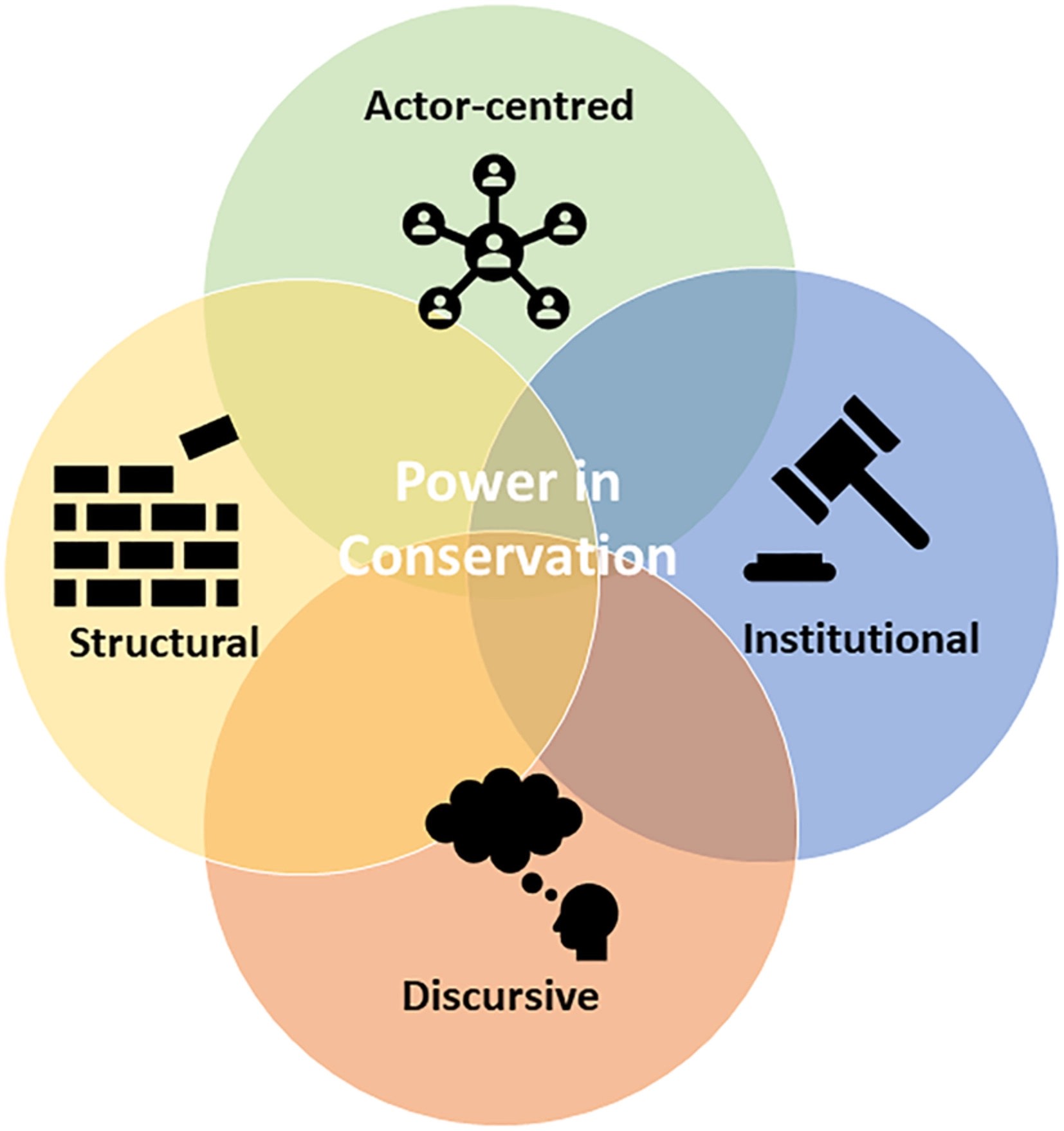
Power (to decide, implement, resist, inform, convince, …) is needed for good environmental management and nature conservation. It is often contested. Power is also sometimes hard to grasp – it can be held by certain people, by rules, by institutions, by ideas, or even by discourses. This new paper, fruit of a workshop organised by Ross Shackleton here at the University of Lausanne and fruitful exchanges between the co-authors, tries to clarify questions of power and proposes six guiding principles approaching power in conservation research and practice.
In a recent doctoral reading group here at the University of Lausanne, we discussed the 1987 text by Blaikie and Brookfield titled Land Degradation and Society, which is often cited as the foundational text for the field of political ecology. Comparing that groundbreaking work with current discussions under the political ecology label shows both continuities and new trends. Continuities include concern over environmental change and a ‘double posture’ of engaging with science on the issue at hand as well as a critical perspective with that science (for instance measuring soil degradation as well as asking what that concept means); concerns with the impacts of capitalism and colonialism; attention to property systems etc etc. Newer trends include the full-blown arrival of various approaches steeped in continental philosophy (poststructuralism, actor networks, assemblages, hegemony, bare life, governmentality….) and in diverse intersectional and decolonial postures. But where is the field now?
Congratulations to the team from the “Forest4Climate&People” project at ESSA-Forêts (University of Antananarivo) and the School of Natural Sciences (Bangor University) for this fantastic short film. It is both beautifully done and really informative. Wonderful images as well as guitar picking by D’Gary. And most of all, it has a strong and clear message, contained in the subtitle, that advocates “putting local people at the heart of decisions about tropical forest’s contribution to tackling climate change”.
With pride and pleasure I’d like to announce the successful doctorate of Mialy Andriamahefazafy, which she defended publicly on July 13. Mialy’s previous work with a marine conservation organisation in coastal Madagascar showed her that local fishers were complaining about big boats fishing offshore, while in the inland capital, government officials were keen on the revenue they could gain through access agreements with foreign tuna fleets. This inspiration led to her thesis work, in which investigated the socio-material matrix through which fishing occurs. She narrowed in on three main topics: how diverse actors ‘access’ the fish, how these actors ‘narrate’ their concerns over overfishing, and whether there is any sense in approaching this issue by appealing to a sense of ‘regional identity’. Mialy undertook fieldwork in three countries (Madagascar, Seychelles, and Mauritius), interviewing more than 223 individuals including small-scale fishers, industrial boat captains and sailors, government officials, cannery workers, retailers and more. Mialy also observed landings of tuna in ports both big and small, and practiced event ethnography by joining delegations to attend two international negotiations.
I’m proud to announce the successful public PhD defence of Hélène Weber, who has worked with me for five years as a doctoral assistant. Hélène researched a practice operating in the spatial, cultural, and political margins of Swiss agriculture: sheep farming. She investigated the on-going transformation of sheep farming in Switzerland, pushed by eco-modernist policies, market institutions and demands, and also by the actors themselves and their practices and relationships (farmers, herders, sheep, grass, dogs…). Hélène’s intuition was that an ethnographic, practice-centred approach to her topic would give different and complementary insights.


 Posted by christiankull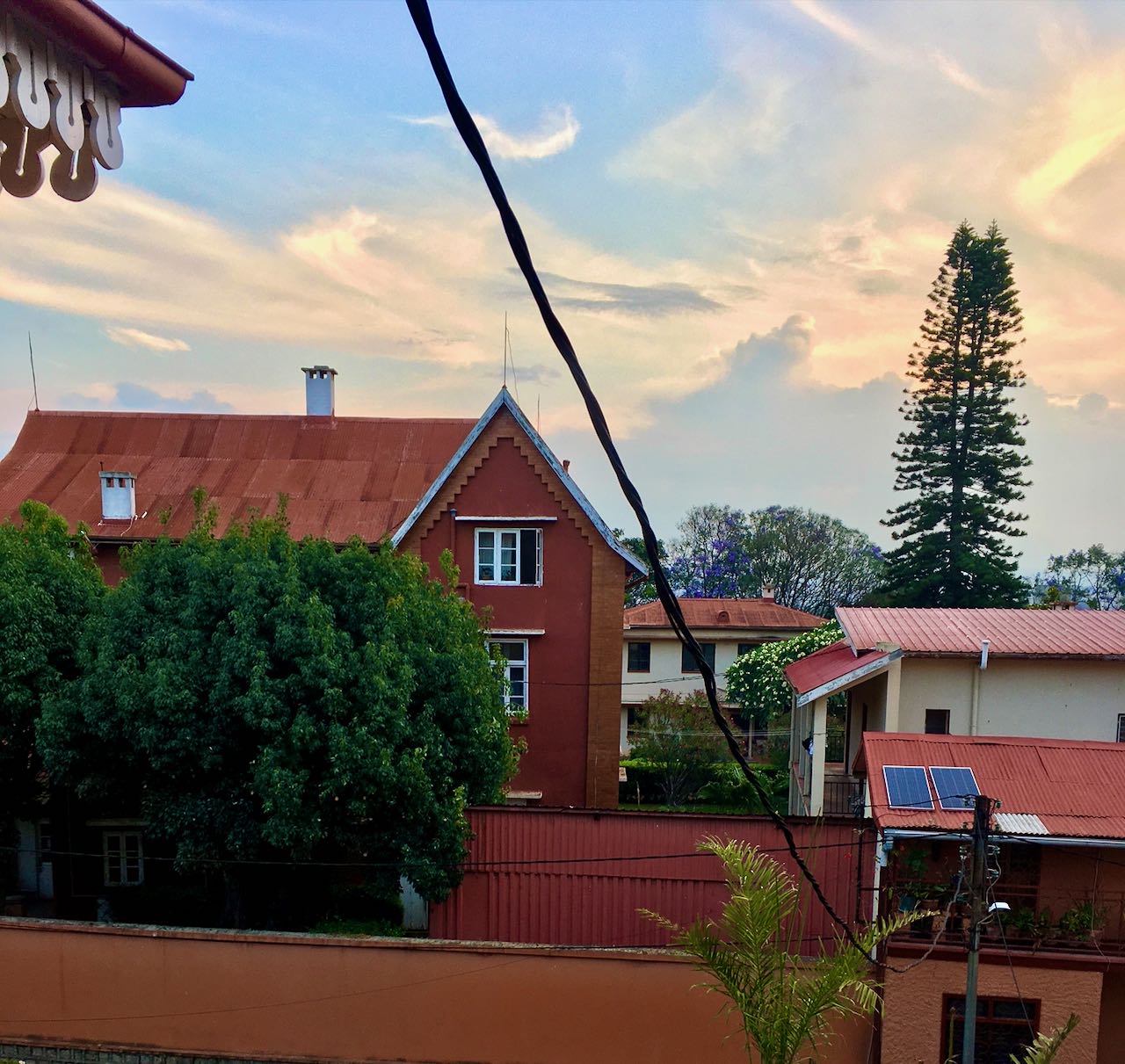



 Christian Kull