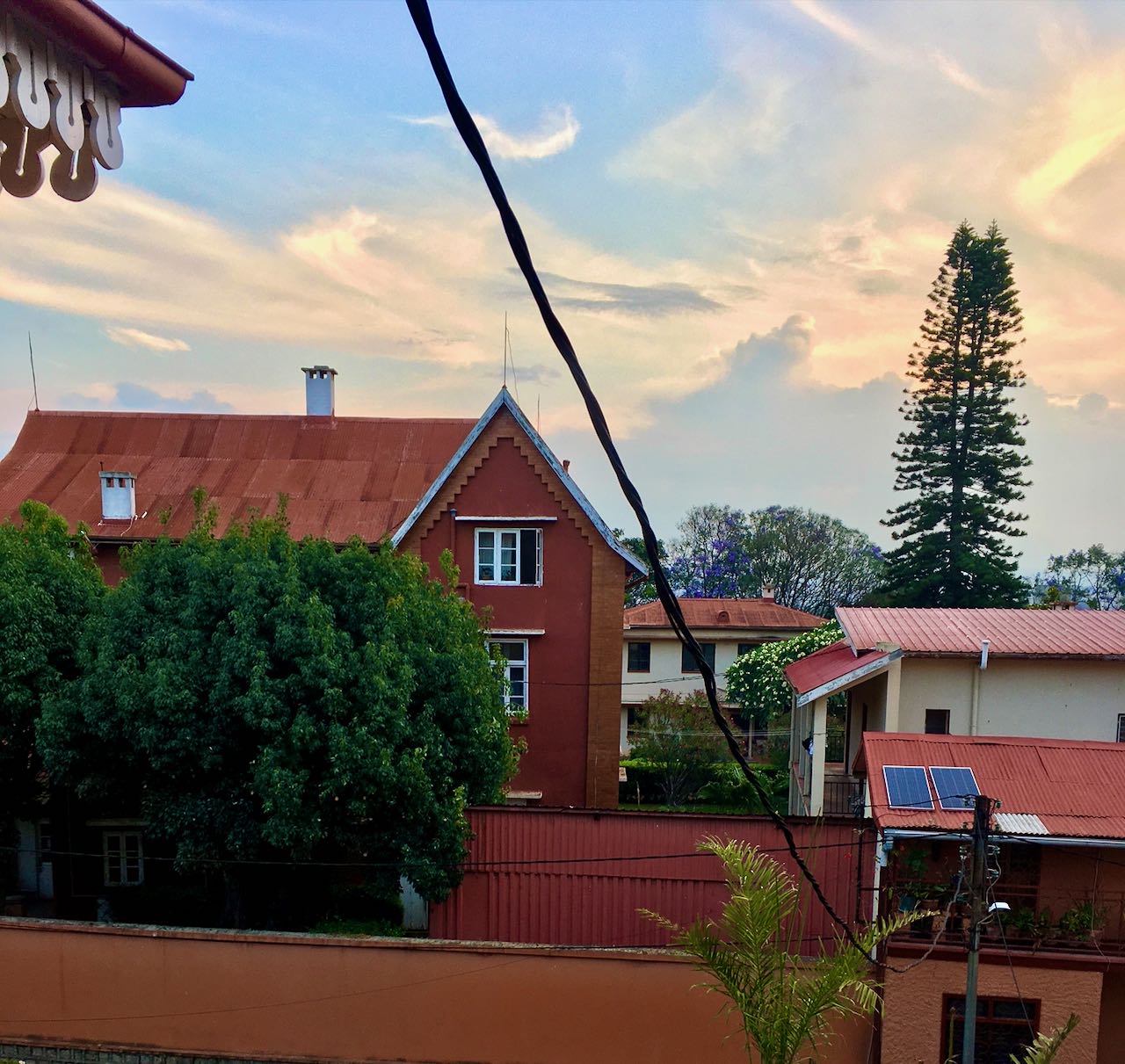
You know how sometimes a word or thing appears at the margins of your conscience, associated with some value (good, bad, …), but where you really know nothing about it? For me, this describes ravintsara. Long interested in the Malagasy environment, it is perhaps natural that a tree with a name like that would catch my attention (even a beginner in Malagasy will get that it means “good leaf”). While doing research on fire, agrarian change, and highland reforestation, ravintsara crossed my path plenty in the late 1990s and 2000s, but it was never centre stage. I first encountered it knowingly in 2014, when friends showed me some they had planted a few to ornament their land outside Antananarivo, and they were proud to have something native and not pine or eucalyptus. But strangely, its name was already there in a list of 1000s of plants in an inventory of introduced species in Madagascar that colleagues and I put together. And then since moving to Europe I started noticing ravintsara in the essential oils section of French pharmacies.
Chanelle Adam’s PhD, just defended, shows there is history and reason behind my encounters and confusions. It turns out that the botanical and chemical identity of the tree has only been established for three decades or so. Ravintsara was indeed introduced to Madagascar, probably in the 19th century (it is better known elsewhere as the camphor laurel, Camphora officinarum, source of camphor oil). And yet… the variety growing in Madagascar turns out to be a chemotype specific to Madagascar called 1,8-cineole, which is low in camphor oil and high in cineole (also found in eucalypts, rosemary, and bay leaves). To confuse matters further, the endemic tree Cryptocarya agathophylla (also used for essential oils) was previously called ravensara (though not by locals) and confusion between two persists. As environmental programs proliferated on the island in the 1990s and 2000s, the search was on for local trees to reforest the island, and ravensara/ravintsara was a prime candidate (hence my encounter on my friends’ plot in the peripheries of Tana). And with development programs entering the 2000s looking for “win-win” solutions for both environment and livelihoods, essential oil distillation was widely promoted – especially as local distillers and scientists (perhaps benefitting from long-term French investments and know-how in the fragrance, oil, and pharmaceutical arena) had set the groundwork in previous decades, themselves building on and branching from colonial era industries (ylang-ylang, cloves, vanilla…). Hence the little ravintsara bottles in French pharmacies. This all leads up to the opening scene of Chanelle’s thesis, the time when during the height of the Covid 19 crisis the just-deposed President of Madagascar himself claimed to have a cure for the coronavirus – a concoction based in part on ravintsara. And that’s a story that Chanelle tells much better than me!
Chanelle’s thesis was examined by a jury consisting of Haripriya Rangan (Melbourne), Sarah Osterhoudt (Indiana), Shaila Galvin (Graduate Institute Geneva), and Ben Neimark (Queen Mary), with Niklas Linde presiding. In it, she demonstrates how “volatility” is historically, materially, and relationally produced, in a context of permanent crisis (but also opportunity), by growers, distillers, exporters, officials, and the plant itself. The thesis is based on 15 months of ethnographic work centred around the creation of value in cases of uncertainty and volatility. Actors in this story range from peasant farmers, speculative landowners, entrepreneurial distillers, government chemists, exporters, university scientists, traders, French pharmaceutical companies, all the way to the President of Madagascar. The thesis is organized into eight chapters. The four main empirical chapters investigate different angles of volatility:
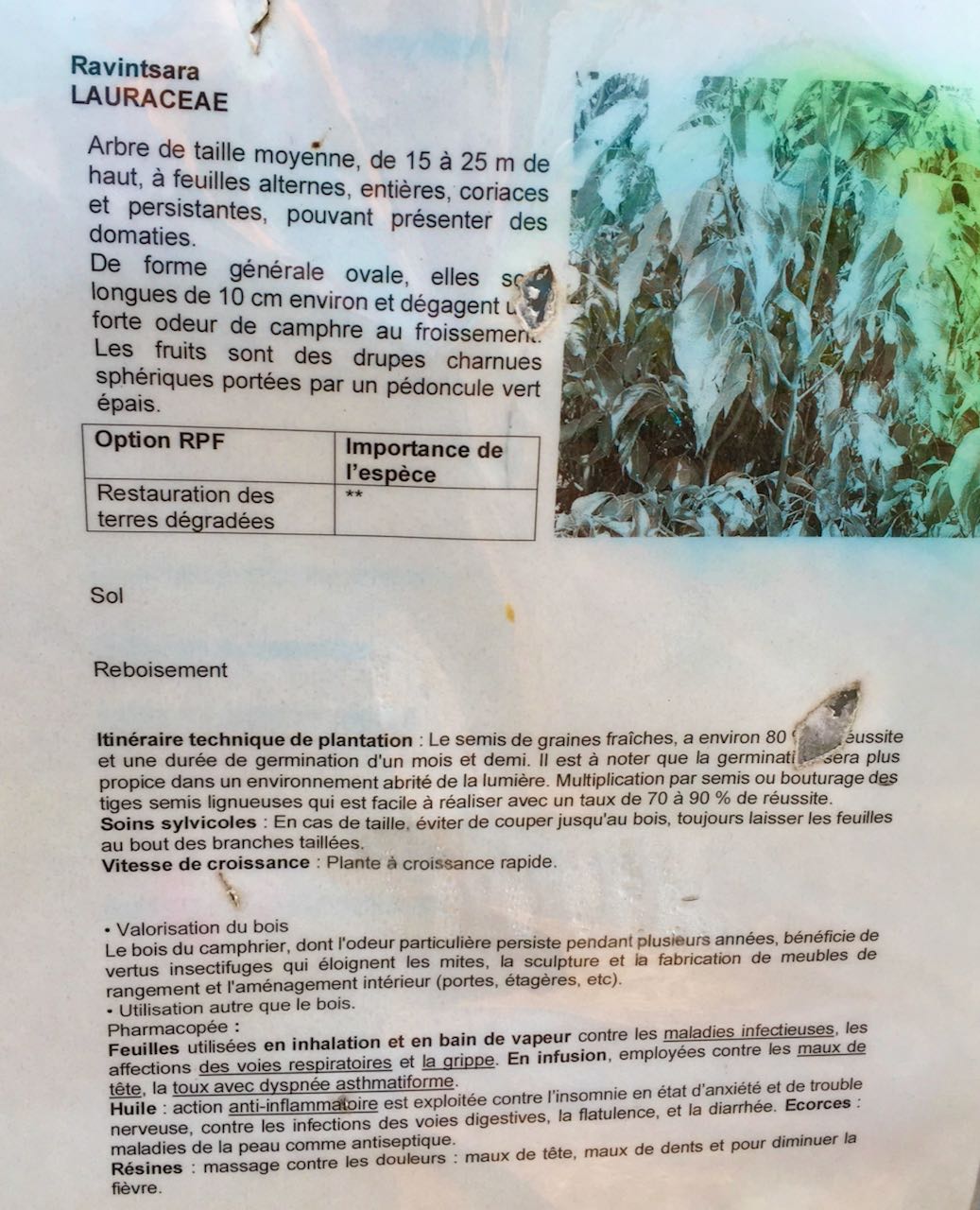
- Ch4 unravels the history of claims and confusions over what “ravintsara” actually is (its botanical identity, when it came to Madagascar, whether it is native or not, and its chemotypes)
- Ch5 investigates the labour of essential oil production through its workers (collectors, distillers, lambic builders), with particular attention to their strategies in the face of booms and busts
- Ch6 asks how people up and down the value chain deal with information and its absence (especially on prices and market access), copying others or holding their cards close their chest in strategies that both cope with and create volatility.
- Ch7 chronicles three decades of efforts by the state, by development actors, and by the industry itself to “stabilize” and promote the ravintsara commodity chain, again both fighting against volatility but also contributing to it.
The chapters are separated by “sillages”, ethnographic interludes describing the lived experience of Chanelle’s fieldwork on ravintsara and slyly leading into the chapters that follow. They highlight the sensory part of fieldwork particularly relevant to the ravintsara topic, from the scent of the oil itself to the eucalyptus wood burnt for distilling.
The thesis contributes to knowledge in several ways. Topically, it is a pioneering study of ravintsara and the upstream part of the global trade in essential oils. It contributes a rich ethnography to Madagascar studies, particularly in focusing on actors other than peasant farmers and conservation actors. Conceptually, the development of theory around “volatility” – not as a property or description, but as a relational, situated, always developing process actively involving multiple actors (human and non-human) – is an insightful contribution that will undoubtedly bear fruit. In doing this, Chanelle’s thesis contributes to several fields and disciplines: the critical social sciences and environmental humanities, somewhere between anthropology and geography, and specifically in conversation with political ecology, science and technology studies, economic anthropology, and plant humanities.
It has been a pleasure to work with Chanelle as she undertook her thesis work, but also to have her assistance in my teaching. As in any good supervision, the learning goes both ways – and I certainly learned from observing Chanelle’s intentionality, her care, and from her background in feminist science studies, medical anthropology, and decolonial studies (thanks for getting me to read Donna Haraway, bell hooks, and Annemarie Mol!).
You can find her here: http://chanelleadams.info. As you’ll see there, in addition to academic research, she sidelines in writing, translation, and performance. Her “ghost tours” of botanic gardens, zoos, and natural history museum collections – which attend to the colonial history, hidden relations, and more-than-human hauntings of these places – have even been subjected to academic analysis by an art scholar (Delbecke 2024). Chanelle’s next stop is at the Max Planck Institute for the History of Science in Berlin, for a postdoc!
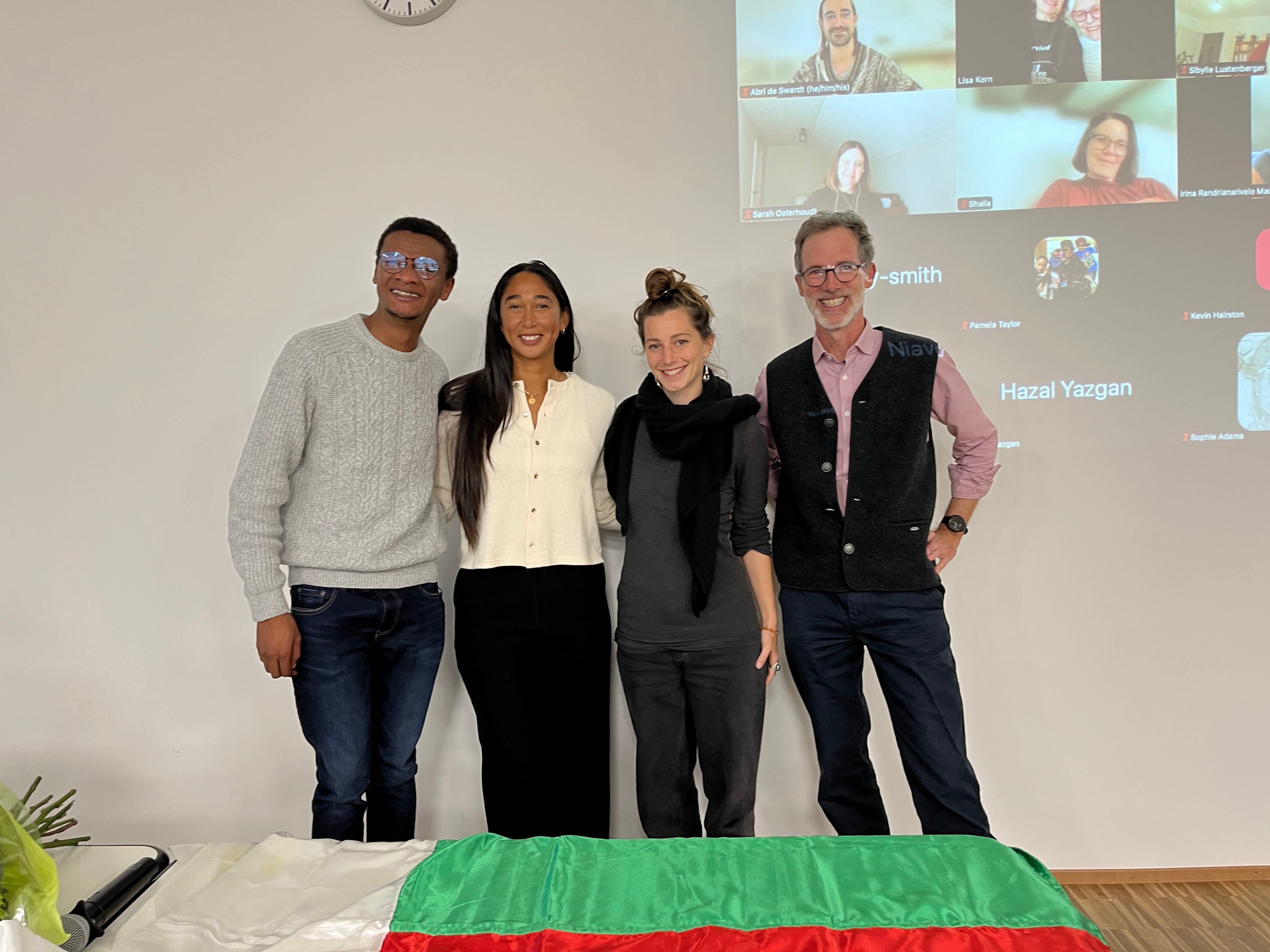
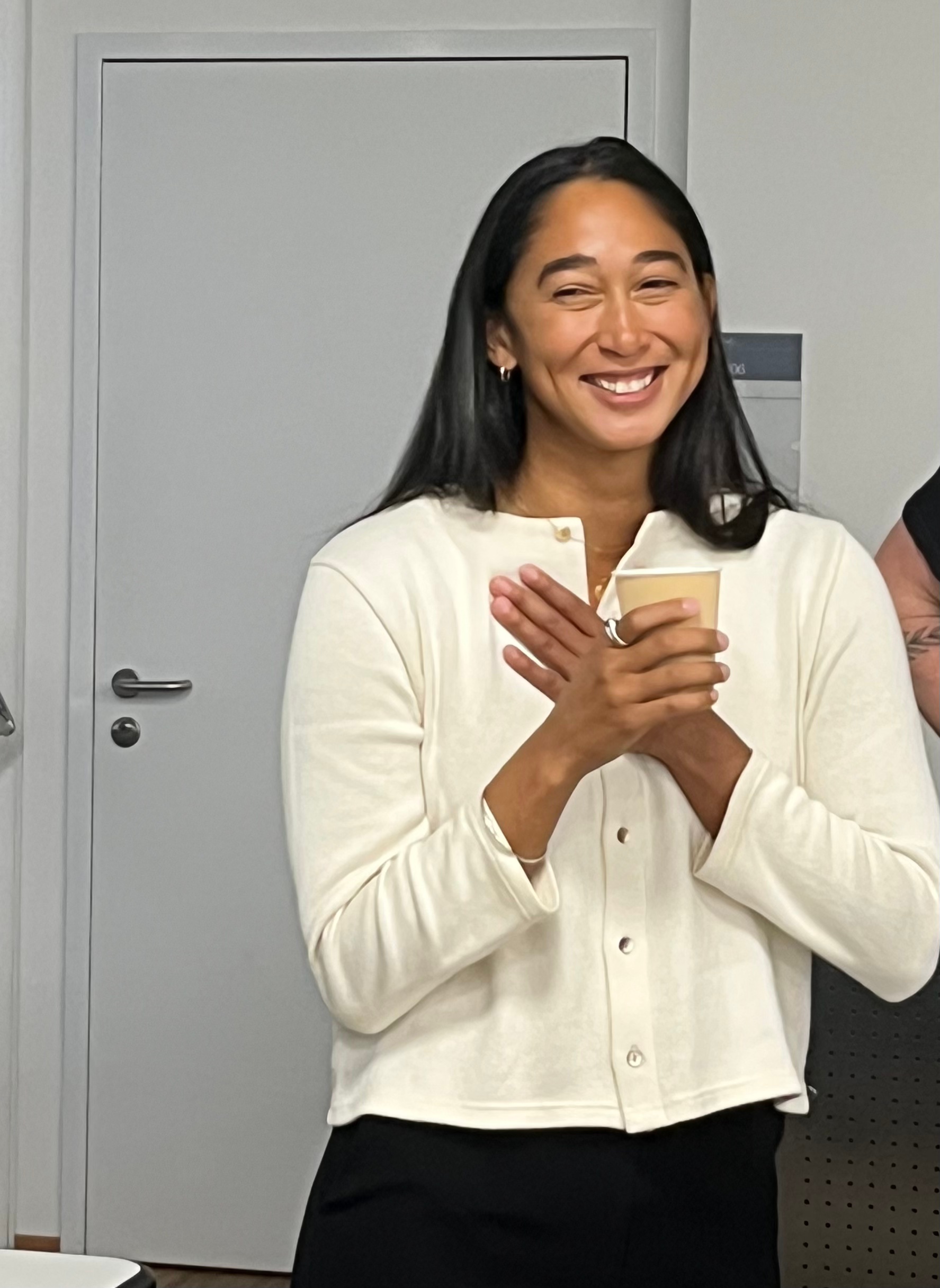
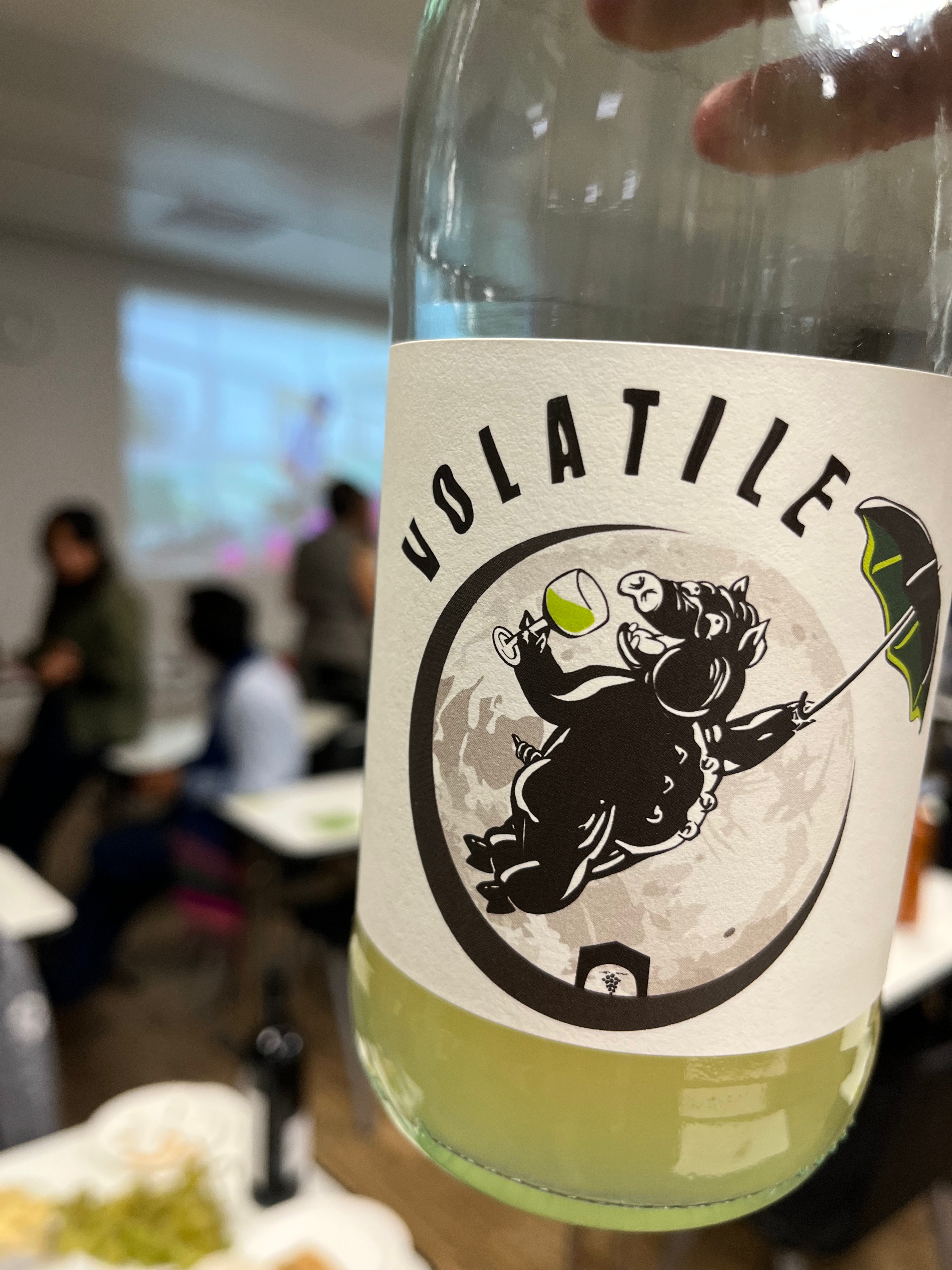
The public thesis defence was quite a ‘volatile’ event in itself, with technical delays, 69 people joining online in addition to the two dozen in the room, and whoops and hollers and hearts flying up the screen. Moreover, as the event was occurring (two days ago, Monday October 13) we received news that President Andry Rajoelina had fled Madagascar, a culmination of two weeks of political unrest initiated by University of Antananarivo student protests over deteriorating electricity and water supply, poor economic opportunities, and increasingly autocratic governance. Volatility in action!

 Christian Kull
Dear Christian,
The former genus for Cryptocarya was Ravensara before the later has been put in synonymy; the vernacular name for the species in the genus Cryptocarya include: avozo, havozo, kabitsalahy, ravensara, ravintsara, sary, tavolo, tavolo menaravina, tavolo pina, tavolo savy, tavololanomby, tavololavaridana, tavolomalama, tavolomaintso, tavolomanitra, tavolonendrina, voaravintsara. These vernacular names were collected on specimens. Source: Schatz, G.E. 2001. Generic Tree Flora of Madagascar. Royal Botanic Gardens, Kew
Have a great day,
Lucienne
Indeed, thanks Lucienne!!
some of this amenable to publication, I hope!